Selling a Vacant House in Texas
An empty house is not a paused house. It is a house that is quietly deteriorating and costing money, and in the Texas climate it does both faster than owners expect.
Start with the insurance problem, because it is the one that turns an inconvenience into a loss. Most standard homeowner's policies contain a vacancy clause that limits or voids coverage once a property has been unoccupied beyond a set period, commonly thirty or sixty days. Owners discover this when they file a claim, which is the worst possible moment. If the house is empty, call your carrier and ask specifically about vacancy. You will likely need a vacancy endorsement or a separate policy, and it will cost more than the standard product.

Then the climate. A Texas summer in an unconditioned house produces indoor temperatures and humidity that grow mold in weeks, not months. Turning the air conditioning off entirely to save money is a false economy — running it on a high setting to control humidity is far cheaper than remediation. Meanwhile a supply line that fails in an empty house runs until someone notices, and nobody is there to notice.

Other costs accumulate quietly. Property taxes continue, and if the house was your homestead, moving out can eventually affect that exemption. Utilities have to stay on. Lawns grow, and in many Texas municipalities an overgrown yard generates code enforcement citations. If the property is in an HOA, assessments keep accruing and unpaid ones become a lien.
Vacant houses also attract attention. Copper theft, squatters and vandalism are real risks in some areas, and a break-in on an empty house can sit undiscovered for weeks. Arrange for someone to physically check the property, not just drive past.
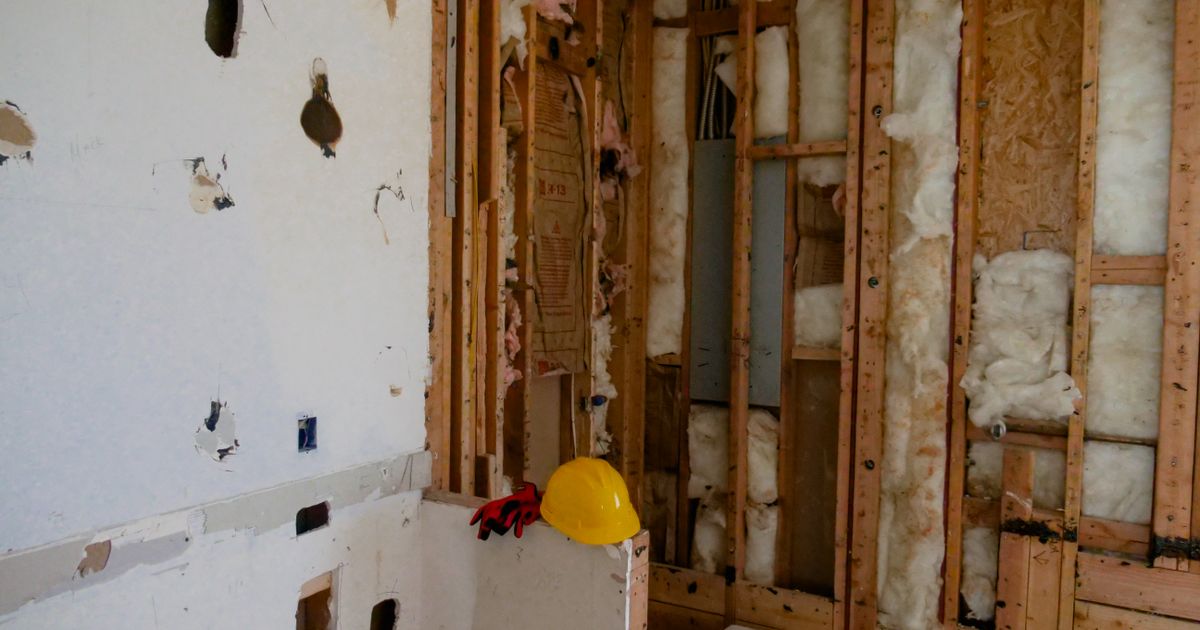
For selling, vacancy has an odd double effect. An empty house shows poorly — rooms look smaller, every flaw is visible, and buyers struggle to picture living there. But it also closes faster, because there is no tenant to coordinate with and no seller to move out.
The decision usually comes down to how long you can absorb the monthly cost. Add up taxes, insurance at the vacancy rate, utilities, lawn care and HOA dues, and you have a real number. Compare that against the gap between a listed price after repairs and an as-is offer today. Sellers frequently find the gap closes faster than they assumed, because the holding cost is larger than they had ever totalled up.
Do the arithmetic before deciding. An empty house is a decision with a monthly price tag attached.